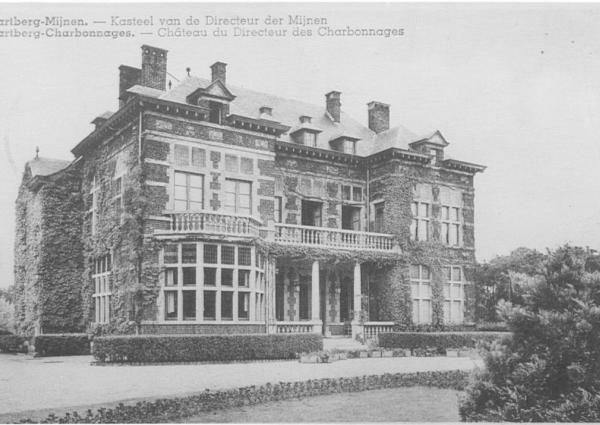
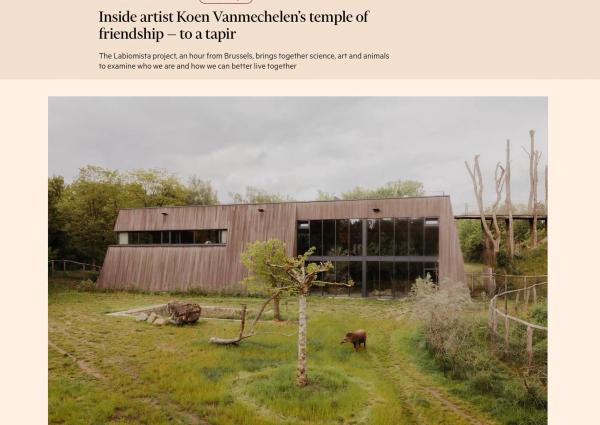
4 October 2026. Sixty years ago, the Zwartberg coal mine closed. Today, part of the same site is home to LABIOMISTA, where artist Koen Vanmechelen, in collaboration with the City of Genk, brings art, nature, animals and people together. Between these two moments lies a history of profound change. The mine became a zoo, the zoo disappeared, and the site found a new purpose. What remained was the place itself, and everything that had unfolded there over time.
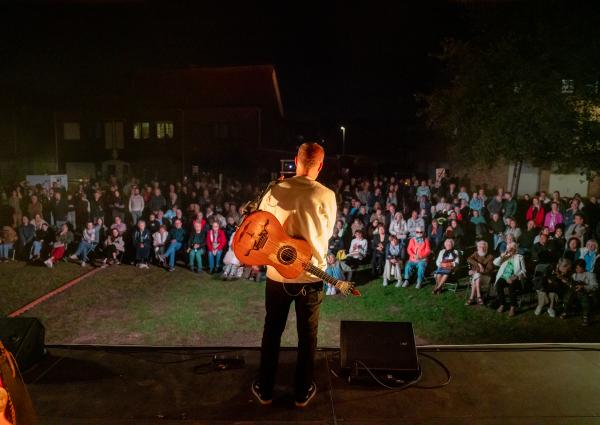
On Saturday, September 5, OMIRI had the Nieuwe Kempen neighbourhood listening to itself for seventy minutes straight. At the invitation of artist Koen Vanmechelen, Portuguese musician Vasco Ribeiro Casais brought his singular method outside Portugal for the first time. For a full year, he gathered the sounds and images of 150 residents of Genk, and gave them back to the audience, transformed and interwoven.
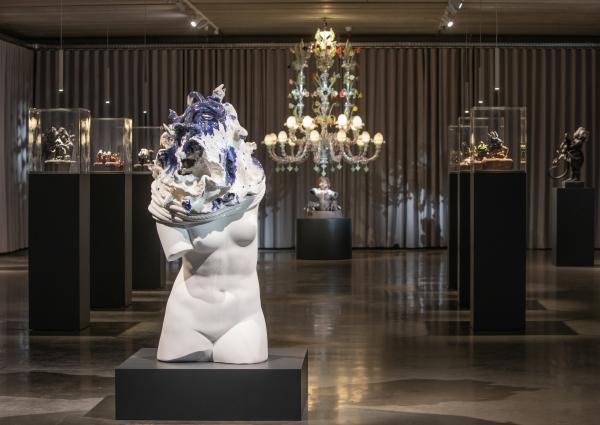
From the nest to new ground. Discover TERRANIDI, a new dedicated gallery space for Koen Vanmechelen’s universe. Conceived as an active field of transmission within the warmth of a shared home, and led by Chido Govera by appointment only, the gallery features its inaugural exhibition presenting the artist’s very first works in ceramics. An ode to the soil, resilience, and endless renewal.
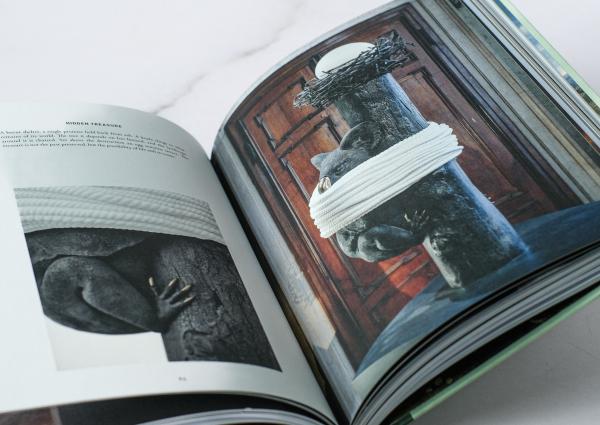
Published by Lannoo Publishers, We Thought We Were Alone is the new catalog by Koen Vanmechelen, capturing the soul of his major solo exhibition in Venice. Featuring sharp essays from an exceptional group of contributors, intimate reflections, and striking imagery, the book invites readers to explore what it truly means to share a complex, interconnected world. Available worldwide starting this week.
LABIOMISTA's Future Garden — the home of artist Koen Vanmechelen and Chido Govera — is featured in the Financial Times, as part of the paper's "At Home with the FT" interiors series.
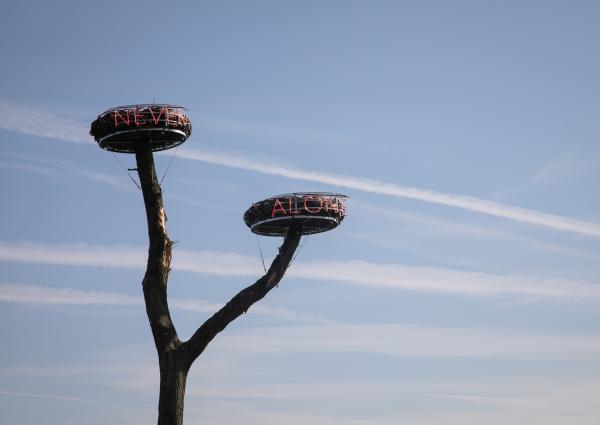
On April 4, LABIOMISTA opens its eighth season with Never Alone as the central theme of the year. Throughout 2026, Koen Vanmechelen’s 24-hectare artwork foregrounds our collective interconnectedness — with other people, species, and living environments — through new artworks, research projects, and participatory trajectories.